A psychologist’s eye,
an end-to-end craft,
and AI that ships.
I’m Marcin, a lead product designer who stays close to the work. I read the behaviour behind the brief, carry work from first principles to shipped detail, and put AI to work where it helps—while the judgement stays human.
Selected work
A few pieces that show how I think end to end.
Full case studies are password-protected due to NDA. The password is included in my résumé.
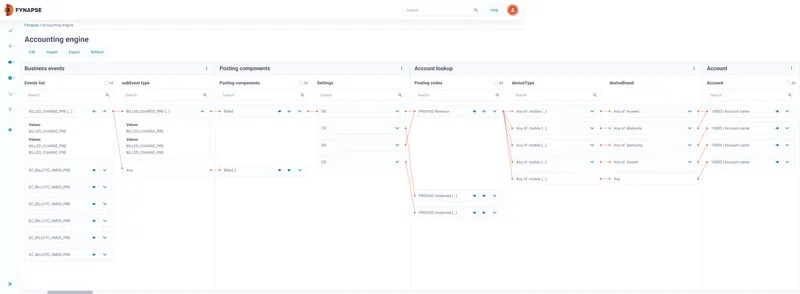
Accounting Rules Navigator
Private case · password in résumé UnlockedGave finance teams one visual map to configure their own accounting rules — no IT in the loop.
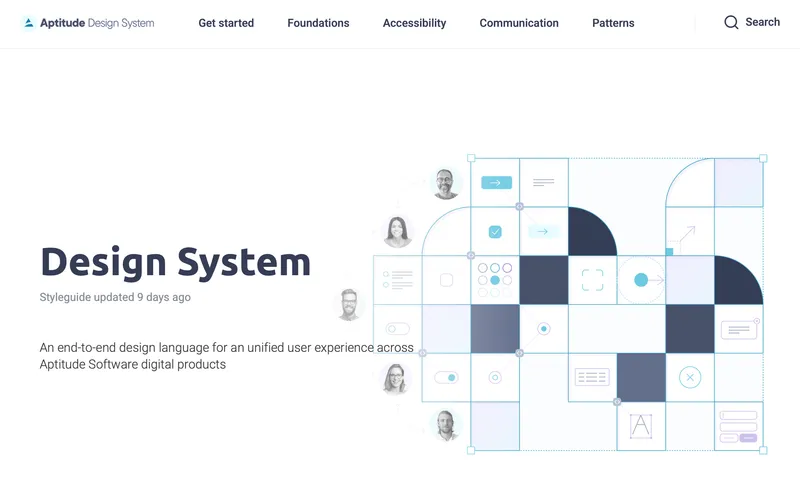
Aptitude Design System
Private case · password in résumé UnlockedAptitude's first design system — one shared foundation that kept 5 dev teams and a doubling design team in sync.
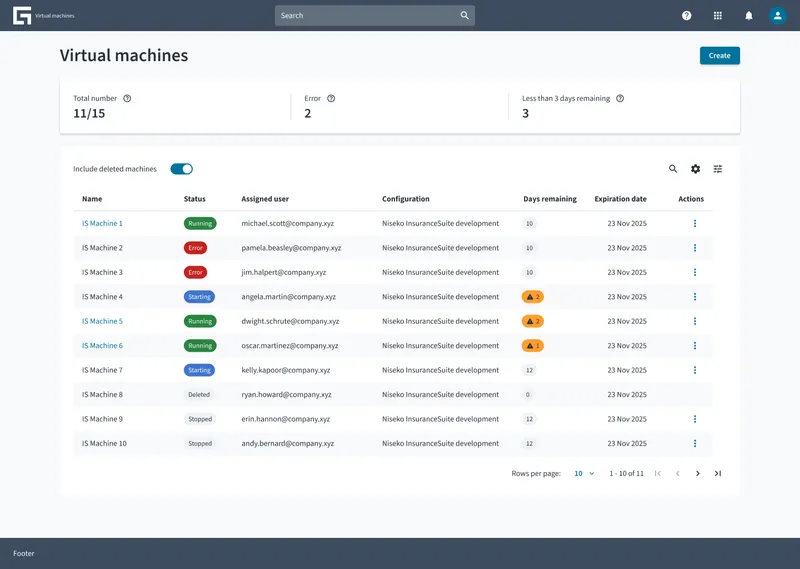
Virtual Machines
Private case · password in résumé UnlockedWide-lens research that overturned three foundational assumptions before an expensive build.
AI practice
Research
I use AI to explore topics, analyse competitors, and make sense of research materials. It helps me spot patterns and questions worth investigating; I assess the sources and draw the conclusions.
AI tools: NotebookLM · Claude Chat / Cowork · ChatGPT Chat / Work
Virtual Machines example
For Virtual Machines, I used AI to draft an interview guide, then adapted the questions myself to fit the study. I used NotebookLM to identify patterns and differences across interviews and retrieve supporting details and quotes. Based on that material, I drew my own conclusions and created a focused presentation for company executives.
Discovery
I use AI as a sparring partner to frame user problems, clarify needs, and challenge assumptions. I define what needs validating and how the findings could shape the design.
AI tools: NotebookLM · Claude Cowork · ChatGPT Work
Savings product example
For a savings product, I used Claude Cowork to create a framework for unpacking broad statements such as “people don’t know where to start.” I filled it in myself, exploring possible barriers, reframing user problems, and identifying needs. I then used Claude Cowork to challenge and refine my thinking. I defined what evidence could distinguish competing explanations and how different findings would change the design.
Design
I use AI to explore design solutions, refine user flows, and create screens and prototypes. This helps me compare alternatives and develop how an interface looks and behaves.
AI tools: Claude Design · Figma AI · Figma Make
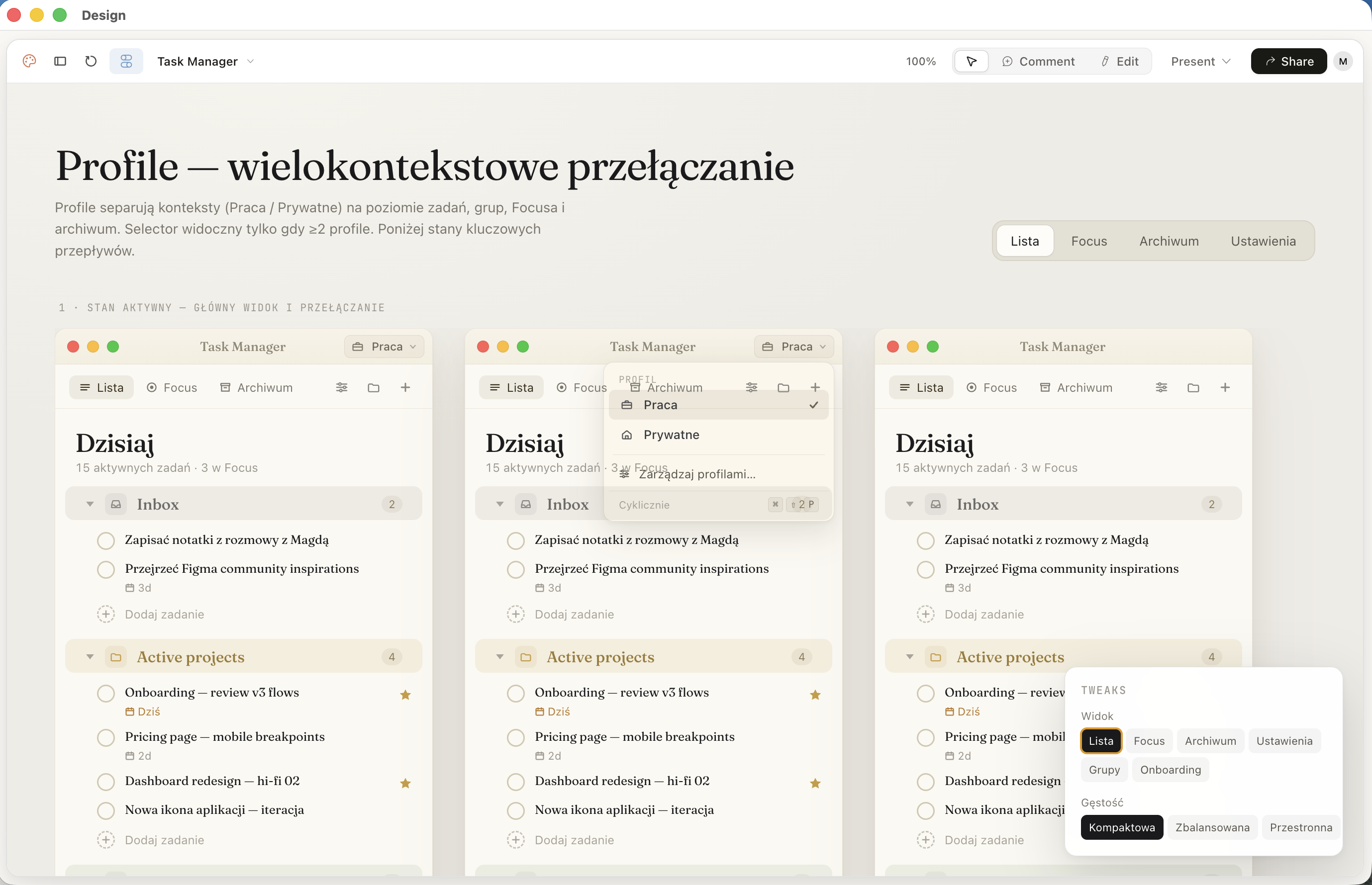
macOS task app example
For my macOS task app, I used Claude Design to iterate on key flows and interaction details, as well as compare visual directions. I chose a warmer colour palette that felt more comfortable to look at — a meaningful detail for an app that stays open alongside my work throughout the day.
Build
I use AI to build prototypes and working products, supporting implementation, testing, and iteration. This helps me carry designs into functioning software and refine them through real use.
AI tools: Claude Code (VS Code & CLI) · Codex
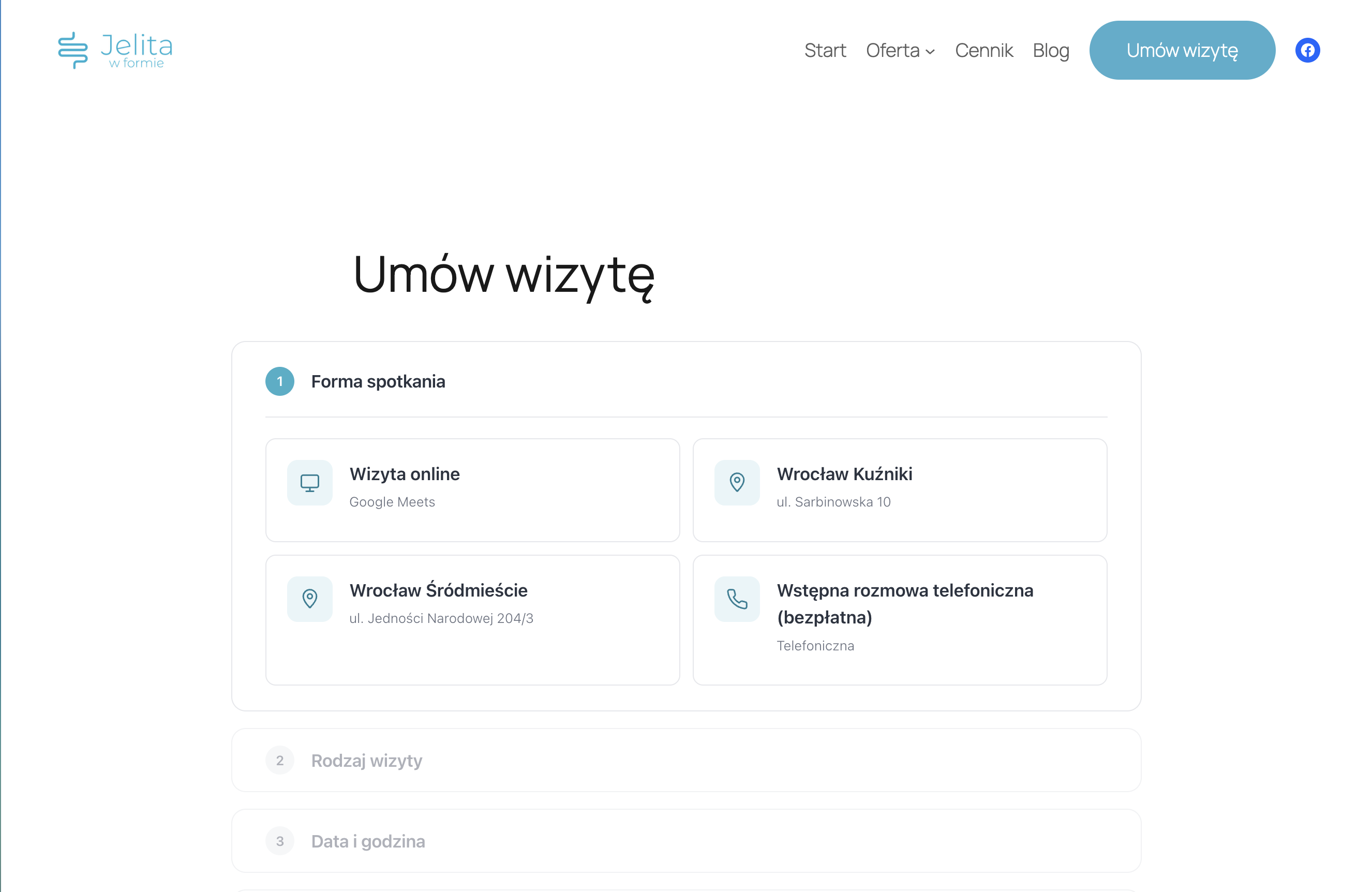
WordPress booking plugin example
Using Claude Code, I built a WordPress booking plugin for a dietitian practice, with Google Calendar integration and SMS notifications. I also used it to set up a local WordPress testing environment and a GitHub workflow for managing and testing changes. The plugin now handles real client bookings.
Beyond the design process
I also use AI to analyse information and automate recurring work. Here are two examples, spanning a business proof of concept and a personal workflow.
AI tools: Glean · n8n
Contract checks agent example
In response to a need raised by the CEO, I built a proof of concept in Glean to compare Salesforce data with contract documents, flag discrepancies, and support corrections.
AI-powered workflows example
I use n8n to build workflows that combine automation with AI analysis. One example is a daily brief that reviews my email and calendar and highlights what needs my attention.
About
I design for how people actually behave, not how briefs assume they do.
Before product, I trained in psychology. It taught me to watch what people do under pressure rather than what they say in a workshop, and to treat every interface as a small experiment in attention and trust.
I’m comfortable across the whole arc - framing the problem, shaping the system, and pushing the last few pixels until the thing feels inevitable. I don’t hand off the hard part.
Mostly I help teams decide. The best work I’ve done looks obvious in hindsight, because the arguments happened early, in low fidelity, where they’re cheap.
Contact
If any of this resonates, I’d like to hear what you’re working on.